
8 Mistakes to Avoid When Planning Your Next Conference

Conferences are one of the most powerful forms of corporate communication — when done well. They bring people together, generate knowledge, create leads and strengthen the connection to a brand or organisation. But they can just as easily do the opposite: a poorly executed event leaves a worse impression than no event at all.
After more than 15 years in event planning, I have seen where conferences succeed — and where they fall short. Here are the most common mistakes I observe again and again, and how to avoid them.

1. TALKS THAT MISS THE AUDIENCE
A good talk is not a sales pitch. It is not a monologue demonstrating the speaker’s expertise. A good talk brings the audience along – whether they are beginners or experts in the subject – and gives them something they have not heard before.
Content must be tailored to the audience. That sounds obvious, but it is not. Reaching a broad, mixed audience is one of the greatest challenges in conference planning and it is regularly underestimated. Too abstract, and you lose the practitioners. Too technical, and you lose everyone else.
No pure sales pitch – not even at free events or networking occasions. Guests immediately sense when they are being treated as a sales target, and it damages trust in the event as a whole.
Talks should be an appropriate length: not so short that no real content remains, and not so long that attention is lost. As a guideline, we recommend 20 to 40 minutes – depending on the complexity of the topic and the depth of the content. The key is that the speaker gets to the point: better to cut a talk that has said everything than to extend one that has already lost the room. Always plan time for questions.
Enable questions – either directly after the talk or in networking breaks where guests can approach speakers. This is often the most valuable moment for both sides.
Plan sufficient breaks – especially when rooms need to be changed or speakers need to be set up. A conference should not be a stressful experience, but a relaxed, content-rich one.


2. COMMUNICATION AS AN AFTERTHOUGHT
Communication is one of the most important levers of a conference – and one of the most underestimated. Too many events communicate too little, too late, or too unstructured.
What guests need before they arrive: when, where, how to get there, where to park, whether food is provided, whether there is a cloakroom, what to expect in terms of content, what the supporting programme looks like. That sounds like a lot – but communicated compactly and well-designed, it creates anticipation and trust rather than information overload.
A well-thought-out communication strategy across email and social media is simultaneously marketing and service. Early-bird tickets, save-the-dates, speaker announcements, sneak peeks at the programme – all of this builds anticipation and fills the attendee list. Fewer, compact messages are better than many long ones. Nobody wants to feel spammed.
On-site: clear, well-designed signage. A venue map. Recognisable staff who can answer questions. Info points. This sounds logistical, but it is part of the guest experience.
And then: post-event communication. Many events end with a brief thank-you email – and that is it. These are wasted leads and wasted potential. Share the photo gallery. Link to social media with hashtags guests can use for their own posts. Point to upcoming events. Offer the opportunity to subscribe to the newsletter. The after-event is the beginning of the next one.
3. NO SPACE FOR NETWORKING
During the day, networking is possible in theory – but in practice, little time remains between talks, lunch and the occasional phone call for genuinely valuable conversations. Many attendees come primarily for the network, not the programme.
Always plan a networking apéro or after-party. Relaxed. Light. With music – but not too loud; conversations need to be possible. With a high-quality F&B offer that encourages guests to stay.
Sponsors can be valuable here: they contribute to the culinary offer – cost-effectively for the budget – and often bring their own guests and networks that enrich the event.
Networking is for many attendees the most valuable part of a conference. Give it the space it deserves.
4. PLANNING TOO LATE
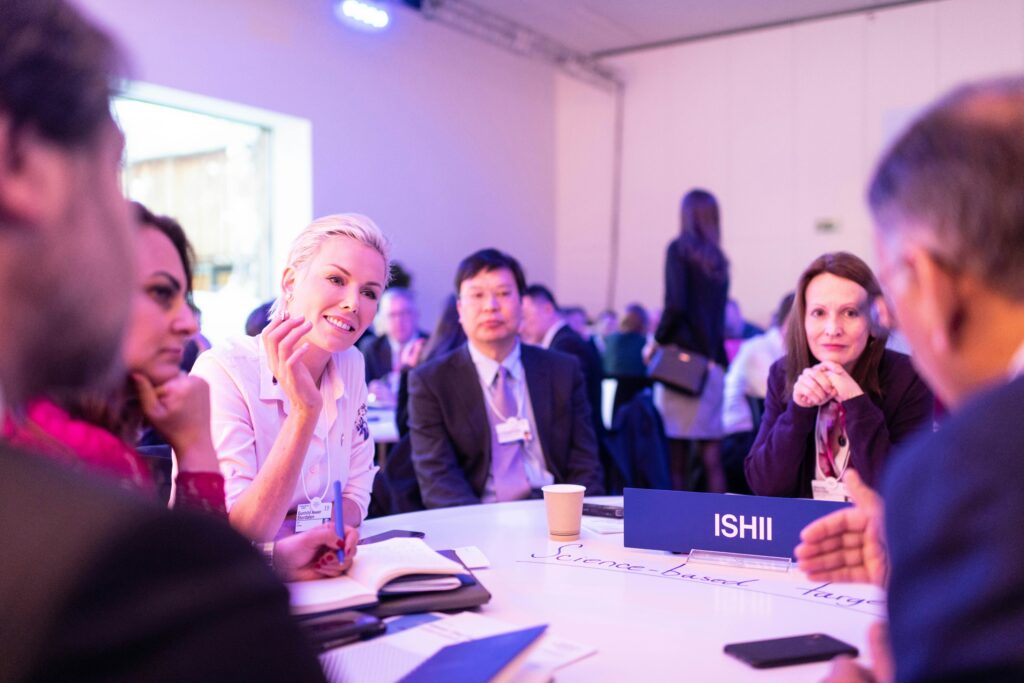
Those who plan too late pay more – in time, money and stress.
Last-minute planning means: you do not get the venue you wanted. Not the speaker who would have suited the topic. Not the suppliers who maintain quality. You work with what is still available – and guests notice.
Those who plan ahead have choice. Can start marketing early. Can offer early-bird tickets and secure attendee numbers in advance. Have time to develop details rather than react at the last minute.
Beyond that: attendees plan their calendars well in advance. Especially for large, multi-day conferences or events requiring travel: if you communicate too late, you lose attendees not because the event is poor, but because the date is already taken.
As a rule of thumb: for a mid-size conference (100–300 guests), planning should begin at least 4–6 months in advance. For large formats or events with international speakers, correspondingly earlier.

5. NO NARRATIVE THREAD
A good event has a story. A beginning, a middle, an end. A message that runs through every talk, every break, every element – and sends guests home with a clear thought.
What is missing when the narrative thread is absent: talks feel disconnected. The moderation fills time between programme points. Guests leave the event feeling they heard a lot – but took nothing away.
This begins at the conception stage: What is the topic? What is the central question this conference is designed to answer? What answers do the individual speakers provide – and how do they build on each other? What emotion should the event leave with the guest?
Strong moderation is crucial. A good moderator does not just guide through the programme – they weave the individual contributions into a coherent narrative.
6. THE VENUE IS UNDERESTIMATED
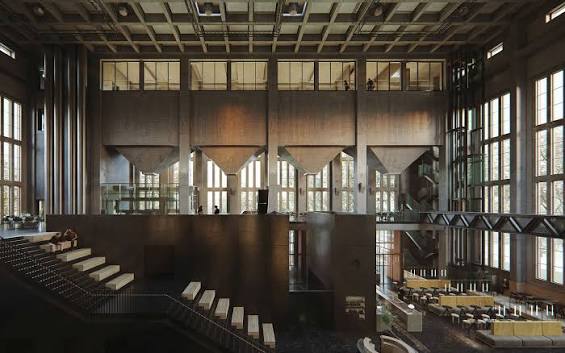
The venue is not backdrop – it is part of the message.
A room that is too tight creates poor energy, regardless of how good the content is. Poor acoustics make even the best speaker unbearable. A venue that cannot transition between plenary, workshop and networking apéro limits the programme before it has begun.
And: venue quality goes beyond the room itself. How is the service team? How flexible is the venue with changes? Is there a plan B if the technology fails or a speaker cancels at short notice?
The F&B offer is also frequently underestimated. Cold coffee, dry sandwiches, too few vegetarian or vegan options – these stay in the memory. As does genuinely good catering. Invest here consciously: food and drink is part of the experience, not a logistical necessity.
And plan retreat spaces: guests sometimes need a quiet moment, a room for a call or a brief break. That is not a luxury – that is hospitality.
7. GUEST EXPERIENCE & GUEST JOURNEY ARE FORGOTTEN
The guest experience does not begin when the first talk starts – it begins with the first email a guest receives. And it does not end with the last talk, but with the moment they arrive home.
Every touchpoint counts: the registration page. The confirmation email. The journey and arrival. The first impression at the entrance. The welcome drink. The quality of the signage. The friendliness of the staff. The room temperature. The close of the event.
A common mistake: much is invested in the programme – and the surrounding experience is forgotten. The long queues at registration. The missing coat check. The unclear entrance. The poorly organised breaks.
Think your event through from the first to the last moment. What does a first-time guest experience? What do they need to feel welcome? What happens when something goes wrong – and how quickly does your staff notice?
A strong guest journey is not a luxury for large events. It is the foundation for any event that should be remembered positively.

8. ACCESSIBILITY & INCLUSION AS AN AFTERTHOUGHT
This point should be self-evident – but frequently is not.
Barrier-free access to the venue. Clear signage for guests with limited mobility. Dietary requirements that are asked about and fulfilled – not just the standard menu with a “vegetarian” plate assembled from the regular kitchen.
Language: is the event in English when 80 per cent of guests are German-speaking? Is there simultaneous translation when an international audience is expected? Are presentation slides in a font size that is readable from the back?
Inclusion goes further than physical accessibility. It is about ensuring all guests feel welcome and considered – regardless of background, language, dietary needs or mobility. Events that take this seriously are not only ethically stronger – they are perceived as more professional.
PHOTO CREDITS
- Photos of Berson Munich
- Photos from Unsplash (Evangeline Shaw, Etienne Girardet, Alexandre Pellaes, headway, sincerely media, Terren Hurst)
- Photo created by Midjourney